Tongue tie assessment & division@ Serenity Baby Clinic, Cheshire
Coming soon! While we are waiting for the CQC registration we are currently working with a trusted partner who will be based at our clinic - Thrive infant feeding
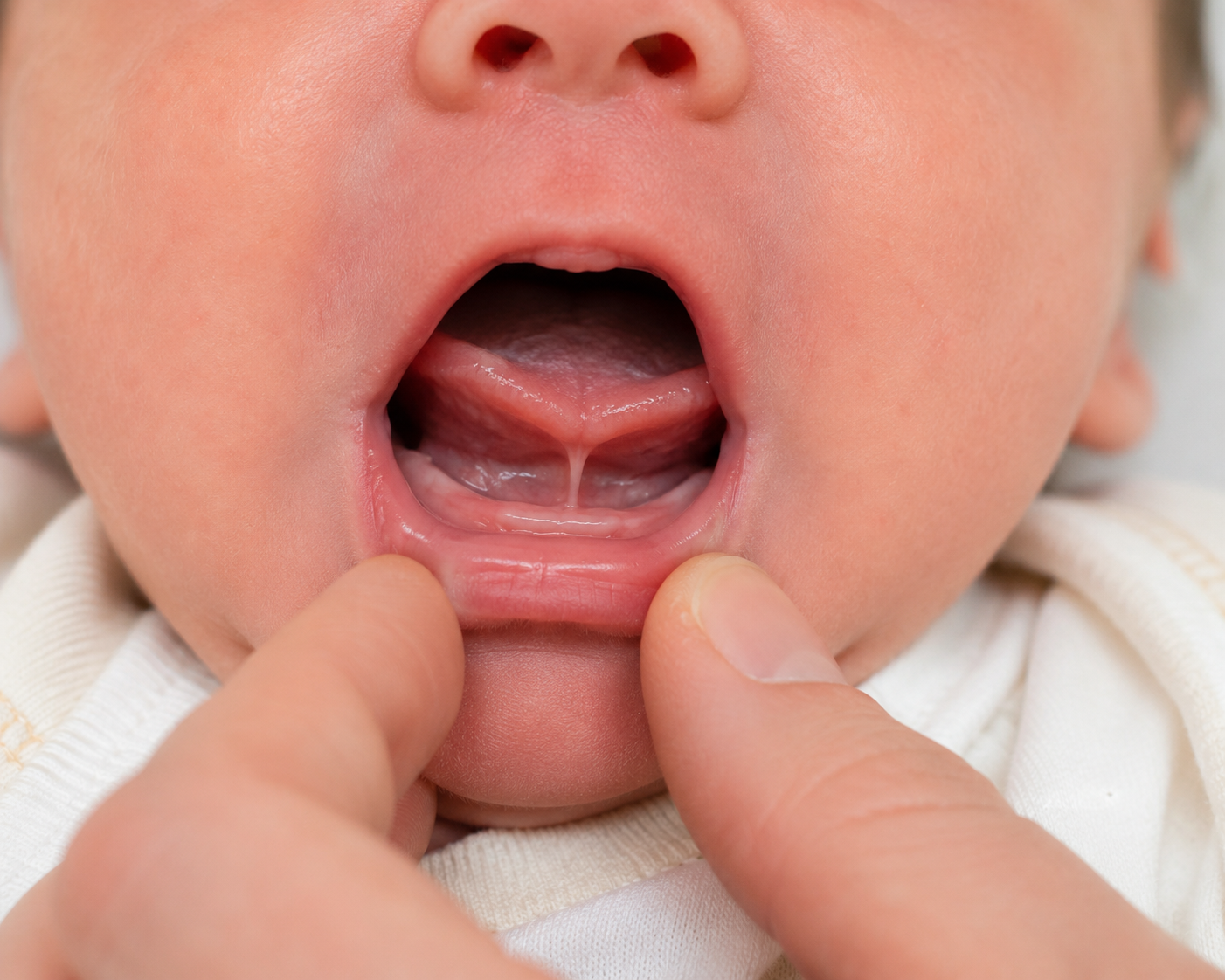
Tongue tie support Cheshire & Shropshire
At Serenity Baby Clinic, we understand that feeding your baby should be a positive and enjoyable experience. If breastfeeding or bottle feeding has become challenging, your baby may have a tongue tie. We provide comprehensive tongue tie assessments and, where appropriate, a simple tongue tie release (frenulotomy) to help babies feed more comfortably and effectively.
Our clinicians offer compassionate, evidence-based care, supporting families every step of the way.
What is a Tongue Tie?
A tongue tie (also known as ankyloglossia) is a condition present at birth where the strip of tissue underneath the tongue, called the lingual frenulum, is shorter, tighter or thicker than usual. This can restrict the movement of the tongue.
Not all tongue ties cause problems, and many babies feed well without treatment. However, for some babies, limited tongue movement can affect feeding, growth and comfort.
Signs Your Baby May Have a Tongue Tie
Your baby may benefit from a tongue tie assessment if they experience:
- Difficulty latching onto the breast
- Frequent slipping off the breast during feeds
- Clicking noises while feeding
- Prolonged or very frequent feeds
- Poor weight gain or slow feeding
- Frustration or distress during feeds
- Excessive wind, reflux-like symptoms or gulping air
- Difficulty transferring milk effectively
- Bottle feeding difficulties
Breastfeeding mothers may also experience:
- Painful or damaged nipples
- Compressed or misshapen nipples after feeds
- Recurrent blocked ducts or mastitis
- Low milk supply due to ineffective milk removal
- Persistent pain despite good positioning and attachment support
A full assessment considers both your baby’s tongue function and how feeding is going, rather than simply whether a tongue tie is present.
What is a Frenulotomy?
A frenulotomy (also called a tongue tie release) is a quick procedure that releases the tight frenulum beneath the tongue, allowing improved tongue movement.
For young babies, the procedure usually takes only a few seconds. Using sterile scissors, the clinician carefully divides the restrictive tissue. Most babies can feed immediately afterwards, and many parents notice an improvement in feeding over the following days or weeks.
The procedure is performed without general anaesthetic in young infants and is generally very well tolerated. Some babies may cry briefly, usually because they are being held still rather than because of discomfort.
Following the procedure, we provide feeding support, aftercare advice and guidance on tongue mobility exercises where appropriate.
How Can a Frenulotomy Help?
For babies whose feeding difficulties are caused by a restrictive tongue tie, frenulotomy may help to:
- Improve breastfeeding latch and milk transfer
- Reduce nipple pain during breastfeeding
- Increase feeding efficiency
- Improve weight gain where feeding has been affected
- Reduce clicking and excessive air intake
- Support more comfortable bottle feeding
- Help babies feed more calmly and effectively
- Improve tongue movement for normal oral development
Every baby is different, and while many families notice significant improvements, outcomes vary depending on the individual baby’s feeding difficulties and any other contributing factors.
Our Tongue Tie Assessment
Every appointment includes a detailed assessment to determine whether treatment is appropriate.
We will:
- Take a full feeding history
- Observe your baby feeding where possible
- Assess tongue appearance and function
- Discuss your concerns and answer your questions
- Explain whether a frenulotomy is likely to help
- Provide clear, honest advice with no pressure to proceed
If your baby’s feeding concerns are not related to tongue tie, we will discuss other possible causes and appropriate support.
Aftercare Following Frenulotomy
Following treatment, we encourage parents to feed their baby straight away.
You will receive:
- Comprehensive aftercare guidance
- Advice on normal healing
- Information about feeding following the procedure
- Guidance on tongue exercises if appropriate
- Ongoing support should you have any concerns
A small white patch beneath the tongue is a normal part of healing and should not be mistaken for infection.
Why Choose Serenity Baby Clinic?
At Serenity Baby Clinic, we combine clinical expertise with compassionate family-centred care.
Families choose us because we offer:
- Experienced infant feeding and tongue tie assessment
- Gentle, evidence-based treatment
- Individualised feeding support
- Calm, welcoming appointments
- Honest advice without unnecessary intervention
- Comprehensive aftercare and ongoing support
Our aim is to help you feel informed, reassured and confident in the decisions you make for your baby’s feeding journey.
Book a Tongue Tie Assessment
If you’re worried your baby may have a tongue tie, we’re here to help.
A professional assessment can identify whether tongue tie is contributing to feeding difficulties and whether a frenulotomy may be beneficial.
Contact Serenity Baby Clinic today to book your tongue tie assessment and let us support you and your baby towards more comfortable, enjoyable feeding.
Our tongue tie assessment clinic is located at
Park view business centre, Combermere, Nantwich, Cheshire SY13 4AL
supporting parents across Cheshire and Shropshire
Frequently Asked Questions
Does every tongue tie need treatment?
No. Many babies have a tongue tie but feed well without any intervention. Treatment is only recommended when the tongue tie is causing functional problems, particularly with feeding. We will never offer a tongue tie procedure unless it is indicated.
Is a frenulotomy safe?
A frenulotomy is considered a safe procedure when performed by an appropriately trained healthcare professional. As with any procedure, there are small risks, which will be discussed with you during your consultation.
How soon will feeding improve?
Some families notice an immediate improvement, while for others feeding gradually improves over several days or weeks as babies learn to use their increased tongue movement. Continued feeding support can make a significant difference.
Can my baby feed immediately after the procedure?
Yes. We encourage babies to breastfeed or bottle feed immediately after the frenulotomy whenever possible.
What age is best for tongue tie release?
Tongue tie can be treated at various ages, but assessment and treatment during early infancy often allow feeding issues to be addressed promptly, helping families establish comfortable feeding as early as possible.